SEBI Proposes Amendments To Merchant Banker Regulations
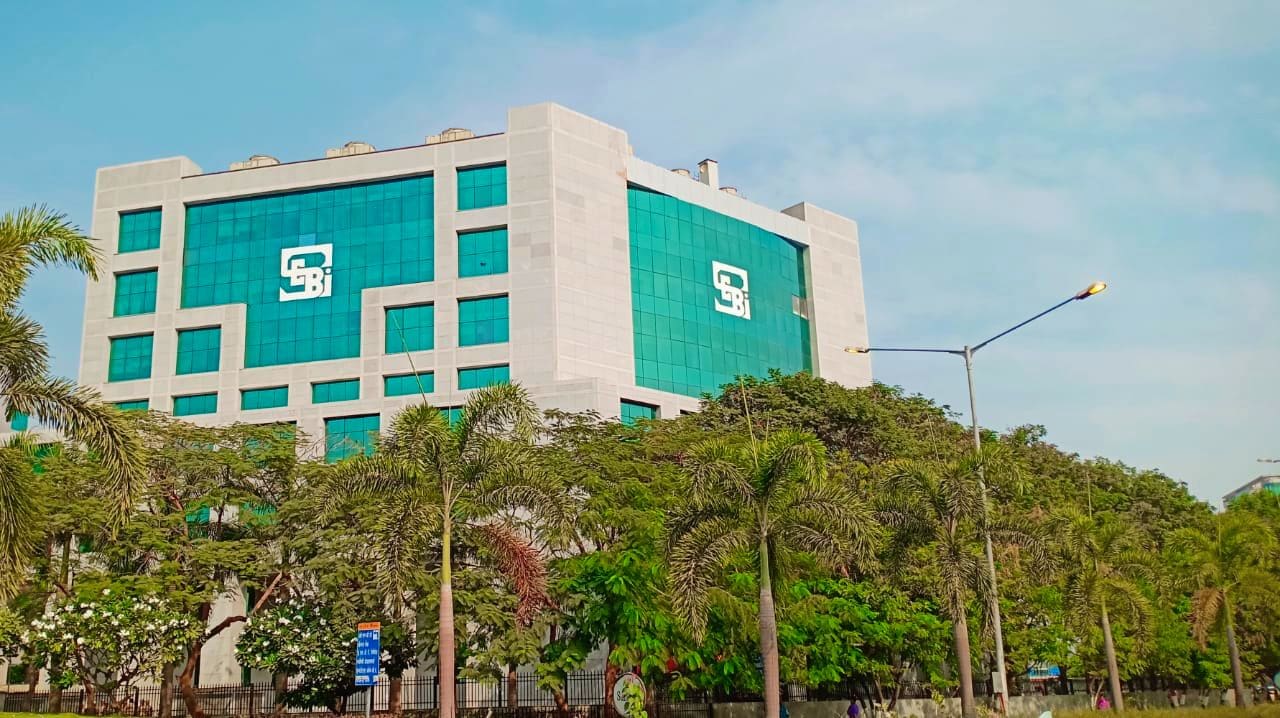
The Securities and Exchange Board of India proposed suggestions on Wednesday for the Merchant Banker Regulations with an aim to realign it with contemporary market practices and address several key concerns in the industry.
Under the proposed changes, merchant bankers, with the exception of banks, public financial institutions and their subsidiaries, will be restricted to activities directly related to the securities market and under SEBI's jurisdiction, according to a consultation paper that was shared on its website on Wednesday.
These activities include managing public issues, qualified institutional placements, rights issues of securities and related advisory services. Merchant bankers will also be involved in managing acquisitions, takeovers, buybacks, delisting and schemes of arrangement, it said.
The regulator suggested a new classification system for merchant bankers, dividing them into two categories based on their net worth. Existing merchant bankers will have two years to meet these new net-worth requirements progressively, with a transitional period to facilitate compliance.
Category 1 firms, which must maintain a net worth of at least Rs 50 crore, will be allowed to undertake all permitted activities. Category 2 firms, with a minimum net worth of Rs 10 crore, will be restricted from handling the mainboard issues.
The new suggestions also include liquid net-worth requirements, mandating that merchant bankers maintain a liquid net worth equal to 25% of their total net worth. For Category 1 firms, this translates to Rs 12.5 crore, while Category 2 firms must maintain Rs 2.5 crore. A two-year grace period will be provided for compliance with these requirements.
The SEBI proposal also addresses the eligibility criteria for merchant banker registration. Certain entities, including foreign corporations not licensed by the Reserve Bank of India and one-person companies, will be excluded from obtaining registration. Merchant bankers within the same group will be required to hold only one registration, with a one-year period given for existing firms to consolidate their registrations.
The new regulations propose that underwriting obligations be capped at seven times the net worth or 20 times the liquid net worth, whichever is lower. This adjustment aims to better align underwriting practices with market risk and encourage higher liquidity among merchant bankers.
The reforms introduce stricter rules on associations between merchant bankers and issuers. Merchant bankers will be prohibited from leading or managing issues if they are associated with the issuer or involved in its marketing activities.
The proposals are open for public comments till Sept. 18.

-
Getting To Work Costs Women More | The Reason Why

It is not just about women paying more than men. It is about women paying much more in cities than in villages.
-
AI Bias In Investing Cannot Be Eliminated, But It Can Be Governed
Framing is a particularly important example as identical financial information presented in terms of gains rather than losses can lead an LLM to reach a different assessment.
-
Joining The Dots | Dark Skies, Steady Diya: Why Hope Holds This Diwali
With war, a weak rupee and foreign outflows weighing on sentiment, policymakers at the NDTV World Summit and market veterans at NDTV Profit Ignite: Diwali Edition offered the same advice: stay invested and filter out the noise.
-
The Curious Case of Equitas Small Finance Bank And A CEO Who Quit For Stock
PN Vasudevan believes persistent investor concerns over a perceived conflict of interest had become a governance overhang on Equitas Small Finance Bank's stock, even as the lender improved profitability and asset quality.
-
Talking Points This Week: AI Cash Burn, A Tiger Comeback And An India That Still Finds Its Own Path
India is not immune to higher oil or tighter global liquidity, yet its earnings base is broader, its domestic policy levers are still available.
-
Foreign Investors Own Half Of HDFC Bank and ICICI Bank. An LTCG Cut Could Matter Most Here
Foreign portfolio investors have US$115 billion parked in HDFC Bank, ICICI Bank. If the government cuts long-term capital gains tax, Jefferies says returning foreign money could land here first.
-
'Never Seen This Level Of Negativity': Sandeep Tandon Says The Next Rally May Be Closer Than You Think
Veteran investor Sandeep Tandon says foreign selling is easing, large-caps are due a comeback and mid-caps are crowded, while he turns positive on gold, power and pharma this Diwali.
-
Indians Stay With Family, Not In Hotels | The Reason Why
India still lacks enough clean, reliable and affordable hotels for budget-conscious travellers.
-
The Economic Imperative: Analysing The Material Driving Force Behind India-Canada Strategic Reset
This economic complementarity is further reinforced by deep institutional investment ties and talent mobility, which form the bedrock of the bilateral framework.
-
Medicine Pricing: Where Must Profit Stop?
India must confront excessive margins, hidden incentives and regulatory gaps that threaten the integrity of medicine.










