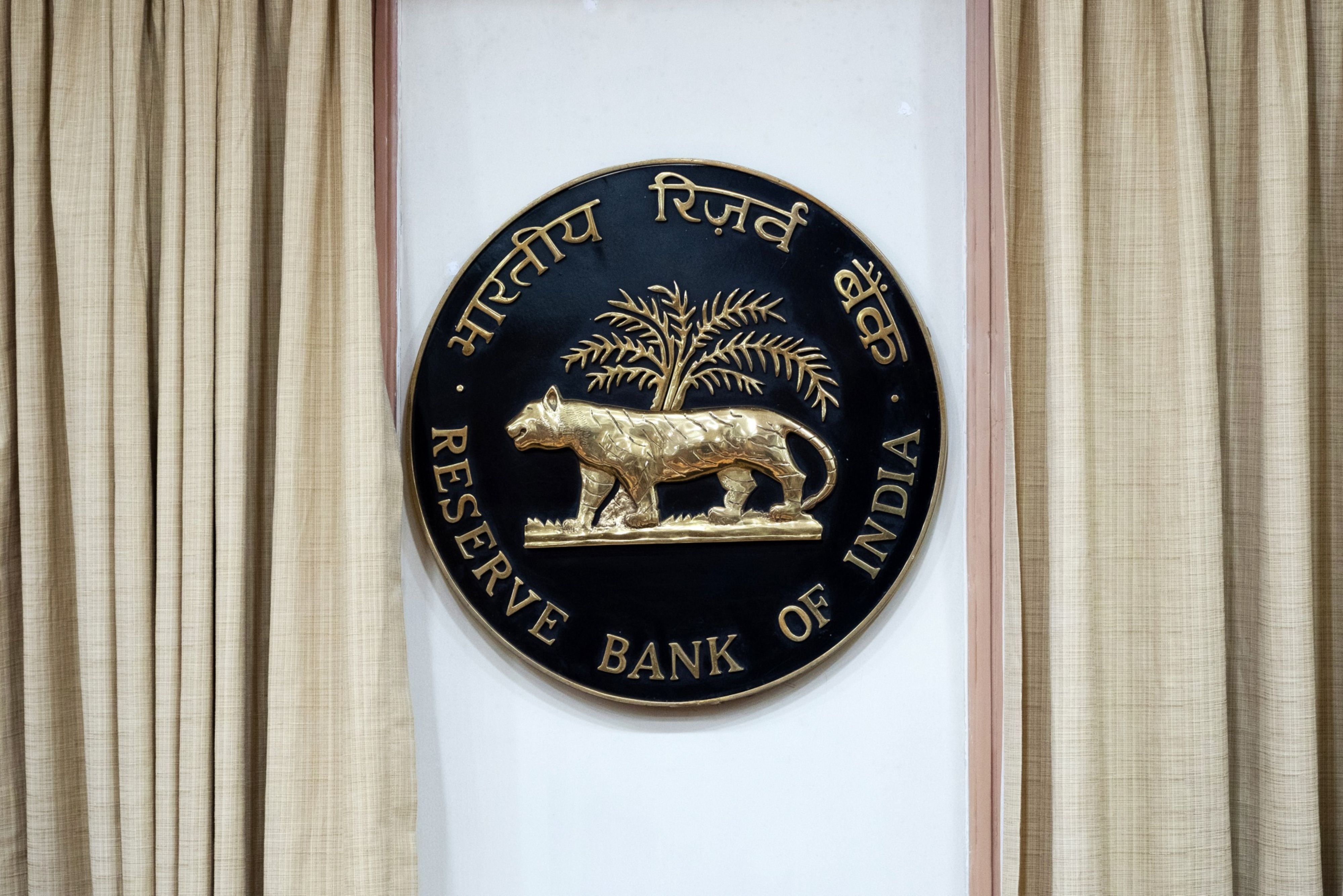
The Reserve Bank of India has decided to tighten exposure norms for urban cooperative banks to protect the interest of depositors. The decision follows the collapse of Punjab & Maharashtra Cooperative Bank, which had loaned a large part of its funds to one corporate house.
The regulator will amend norms for exposure limits, according to the RBI's ‘Statement on Developmental and Regulatory Policies.' These would primarily relate to single and group or interconnected borrowers, the RBI said,
“These measures are expected to strengthen the resilience and sustainability of UCBs and protect the interest of depositors,” the RBI said. “An appropriate timeframe will be provided for compliance with the revised norms.”
The central bank will shortly issue draft guidelines, it said.
Questions about the fragility of such lenders came into spotlight following the collapse of Punjab & Maharashtra Cooperative Bank, a multi-state urban cooperative lender. The bank's managing director admitted that some executives worked to hide details regarding PMC Bank's exposure to slum redeveloper HDIL Group, which eventually led to a spike in the bank's bad loans and value erosion. The lender's exposure to the builder stood at 73 percent of its loan book.
According to the RBI's existing master circular for primary urban cooperative banks, the maximum exposure to an individual borrower cannot be more than 15 percent of the bank's capital funds. For a group of borrowers, the limit stands at 40 percent.
Among the other norms introduced on Thursday, urban cooperative banks with a loan book of over Rs 500 crore will now be required to report details of their large exposures to the Central Repository for Information on Large Credit. CRILC was introduced in 2014 by the RBI for universal banks and other financial institutions to report exposures worth more than Rs 5 crore against a borrower, to ensure that lenders could work together in the event of a default.
The RBI said it will also prescribe a comprehensive cybersecurity framework for urban cooperative banks. It will be “a graded approach, based on their digital depth and interconnectedness with the payment systems landscape, digital products offered by them and assessment of cyber security risk”, it said.
Such measures would include implementation of bank specific email domain; periodic security assessment of public-facing websites and applications; strengthening the cybersecurity incident reporting mechanism and governance framework; and setting up of security operations centre.
“This would bolster cybersecurity preparedness and ensure that the UCBs offering a range of payment services and higher information technology penetration are brought at par with commercial banks in addressing cyber security threats,” the RBI said.
Related Coverage:
- Monetary Policy: MPC Surprises With Status Quo On Rates Despite Growth Slump
- RBI Fully Aware Of The Vulnerabilities In NBFC Sector, Says Shaktikanta Das
- Monetary Policy: The Cost Of Inflation Targeting
- RBI Raises Peer-To-Peer Lending Limit Fivefold
- India's Central Bank Just Did Something Crazy
Essential Business Intelligence, Continuous LIVE TV, Sharp Market Insights, Practical Personal Finance Advice and Latest Stories — On NDTV Profit.