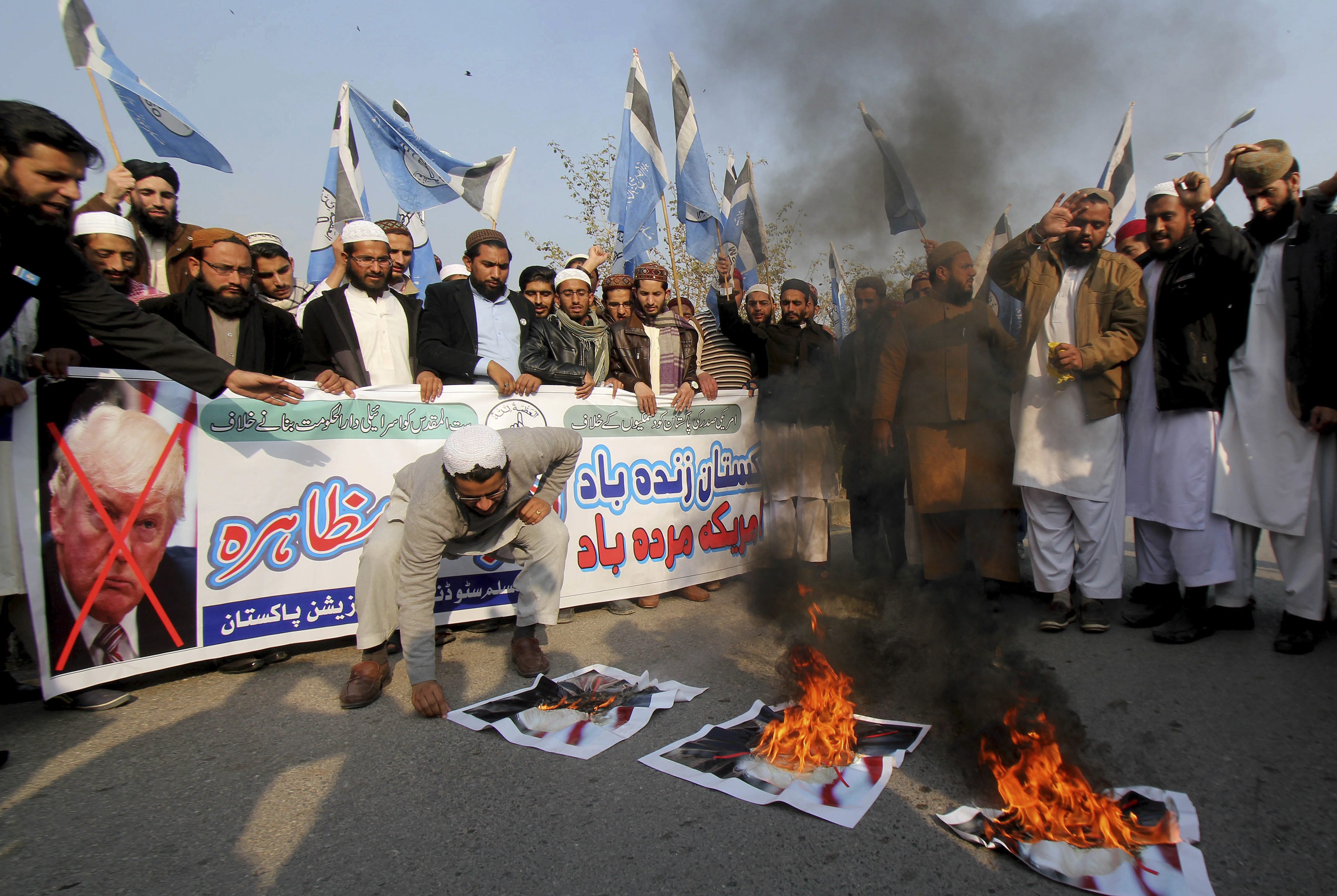
The future trajectory of U.S.-Pakistan relations will depend in great part on Washington's next move — and how Islamabad responds.
In the aftermath of a traumatic week for U.S.-Pakistan relations — marked by a threatening, truculent tweet by President Donald Trump and his administration's decision to suspend nearly all security aid to Pakistan — one question looms large: After decades of ups and downs, marked by deep tensions followed by bounce-backs in relations, is this time different? Is the relationship headed for an all-out rupture?
We've Seen This Movie Before
The immediate answer is no, because we've been here before. Washington has suspended aid to Pakistan multiple times in the past. Pakistan survived, and so did the relationship.
For all the talk in recent days of shattered alliances and relations damaged beyond repair, let's be clear: A mere aid freeze won't torpedo the relationship.
Bilateral relations were arguably worse in 2011, when multiple events — the American CIA agent Raymond Davis's killing of two Pakistanis, the unilateral U.S. raid on Osama bin Laden's compound, and an American air attack that accidentally killed two dozen Pakistani border troops — plunged bilateral relations into deep crisis. Pakistan retaliated by closing down NATO supply routes on its soil and ordering many U.S. intelligence operatives out of the country. Today, by contrast, Pakistan hasn't staged any retaliations, and the two sides have continued to engage.
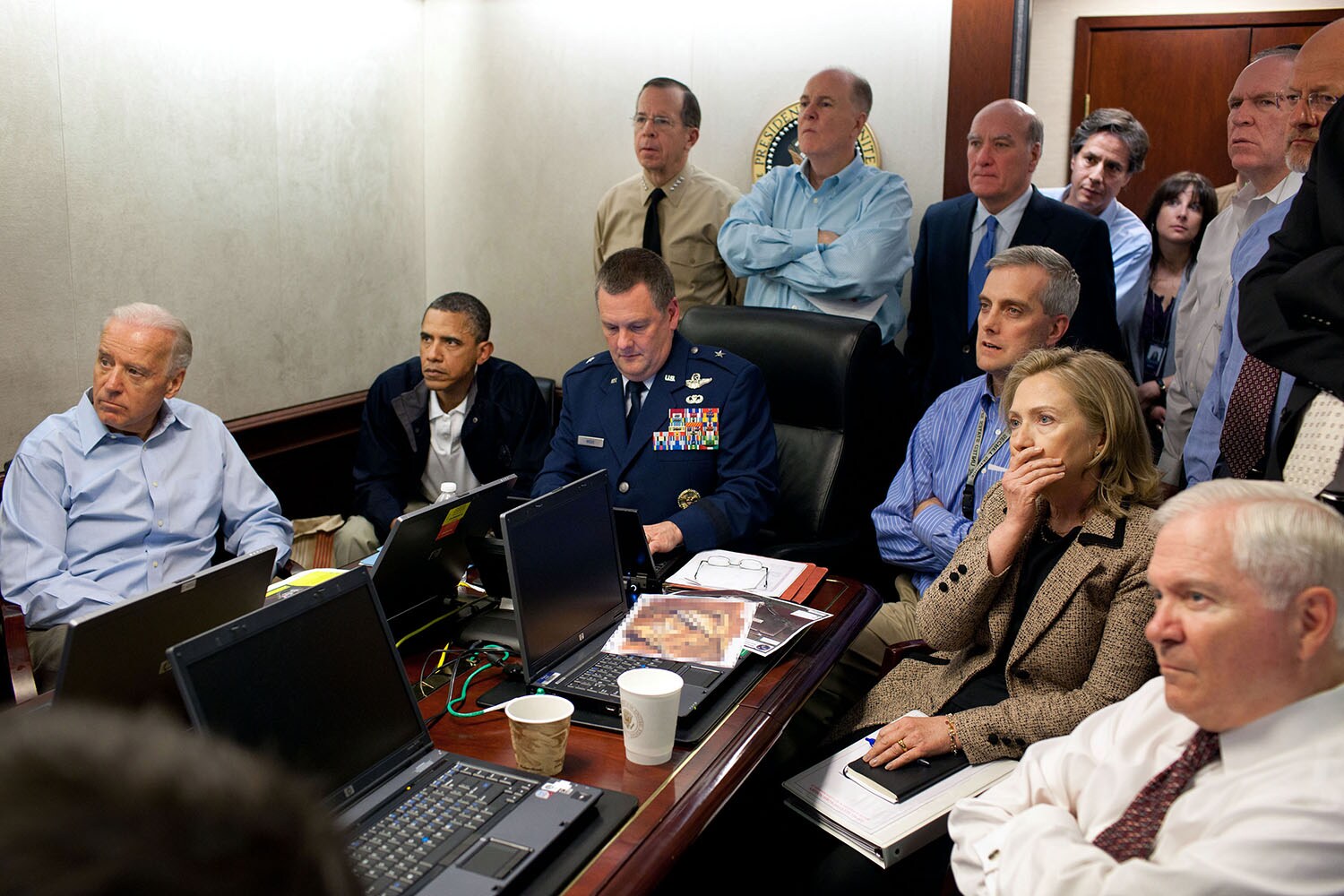
And yet, as bad as things were in 2011, the relationship eventually bounced back.
The Importance Of Next Steps
The future trajectory of U.S.-Pakistan relations will depend in great part on Washington's next move — and how Islamabad responds. If the U.S. walks back its threats to stage punitive acts beyond an aid freeze, then the relationship should fall back into the uneasy coexistence that's long marked bilateral relations.
However, if the U.S. takes unprecedented punitive measures —sanctioning Pakistani military officials with ties to terror; revoking Pakistan's non-NATO ally status; increasing drone strikes outside Pakistan's tribal areas; designating Pakistan as a state sponsor of terror; inducing international financial institutions to suspend loans to Pakistan — tensions could skyrocket. The latter measure could prove particularly devastating, given the fragility of Pakistan's economy — and given its urgent need for cash to pay back the large-scale loans flowing into Pakistan to finance the China-Pakistan Economic Corridor.
Also Read: Trump Serves Pakistan Notice, Enter China?
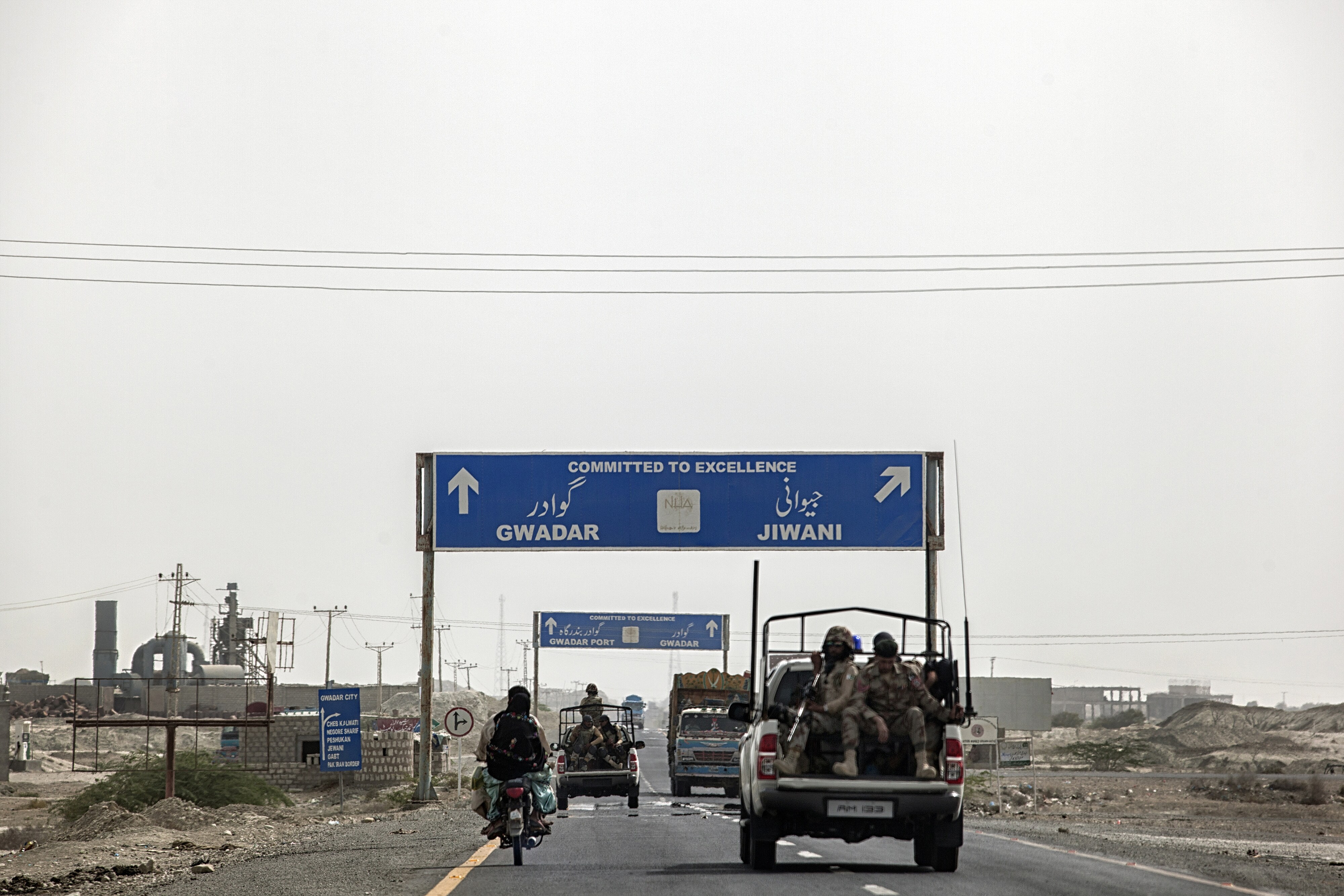
In response to such harsh measures, a chastened Pakistan might ease up on its ties to the terrorists on its soil that target Americans in Afghanistan. More likely, however, the Pakistanis would retaliate — perhaps by shutting down the supply lines and suspending intelligence cooperation with Washington.
These measures could complicate America's already-challenging war effort in Afghanistan and undercut U.S. counter-terrorism activities in the broader Afghanistan-Pakistan region.
Managing Risks, Objectives, and Interests
Washington's next steps, and Islamabad's responses, will depend on calculations of risks, objectives, and interests. The U.S. government will need to decide how far it is willing to go to pursue its core objective — eliminating terrorist sanctuaries in Pakistan that help fuel the insurgency in Afghanistan — knowing full well that implementing harsher measures could jeopardise U.S. interests and goals.
For Pakistan, the question is how much risk it is willing to tolerate by maintaining a policy that helps serve its interests — supporting Afghanistan-focused militants, which are anti-Indian, helps push back against India's presence in that country — but that is also increasingly likely to trigger harsh U.S. measures.
The operative question is this: What conditions must be in place for Pakistan to conclude that the costs of providing sanctuaries — and other types of support — to militants have become prohibitively high?
Also Read: What Do U.S.-Pakistan Tensions Mean For India?
A transactional relationship for US over 6/7 decades..Pakistan remained friend/ally..fulfilled commitments during the cold war..Afghan "Jihad" 80s.. Afghanistan re visit after 9/11..Americans transacted the relationship on need basis..NO MORE pic.twitter.com/ifWU7NdSBh
Possible Pathways
The U.S.-Pakistan relationship could go in three possible directions.
First, it could revert to the status quo ante, as in the past, with the two sides, like an unhappy married couple, grudgingly agreeing to muddle through. However, given Trump's apparent willingness to tighten pressure on Pakistan, and Pakistan's unwillingness to give in, bouncing back may be hard to do — at least initially.
Second, escalatory American actions and damaging Pakistani retaliations could bring relations to a standstill and lead to a rupture. This scenario is also unlikely, given that both sides derive benefits from some semblance of a workable relationship.
Indeed, even amid the angry rhetoric of recent days, both Washington and Islamabad have used conciliatory language.A third possible pathway is some type of middle ground. Imagine this scenario: America implements a relatively modest punitive measure, such as slapping sanctions on several military officers with terror ties. Pakistan responds with relatively modest retaliations —such as slashing the number of visas issued to Americans — while also quietly taking one-off steps, such as arresting a top terrorist leader, to ease U.S. pressure and forestall harsher American actions. The question, however, is if token gestures would appease an uncompromising Trump White House.
Ultimately, the fate of U.S.-Pakistan relations is hard to predict — particularly because the man calling the shots on the U.S. side is arguably the most unpredictable American president in history.
Michael Kugelman is deputy director for the Asia Program and senior associate for South Asia at the Woodrow Wilson International Center for Scholars in Washington, DC.
The views expressed here are those of the author's and do not necessarily represent the views of BloombergQuint or its editorial team.
Essential Business Intelligence, Continuous LIVE TV, Sharp Market Insights, Practical Personal Finance Advice and Latest Stories — On NDTV Profit.