A report released on Monday indicates that while India's clean energy technology capacity is expected to grow significantly by 2030, the country may fall short of its green energy targets. Challenges such as limited technological innovation and a shortage of skilled labour are key factors contributing to this potential shortfall.
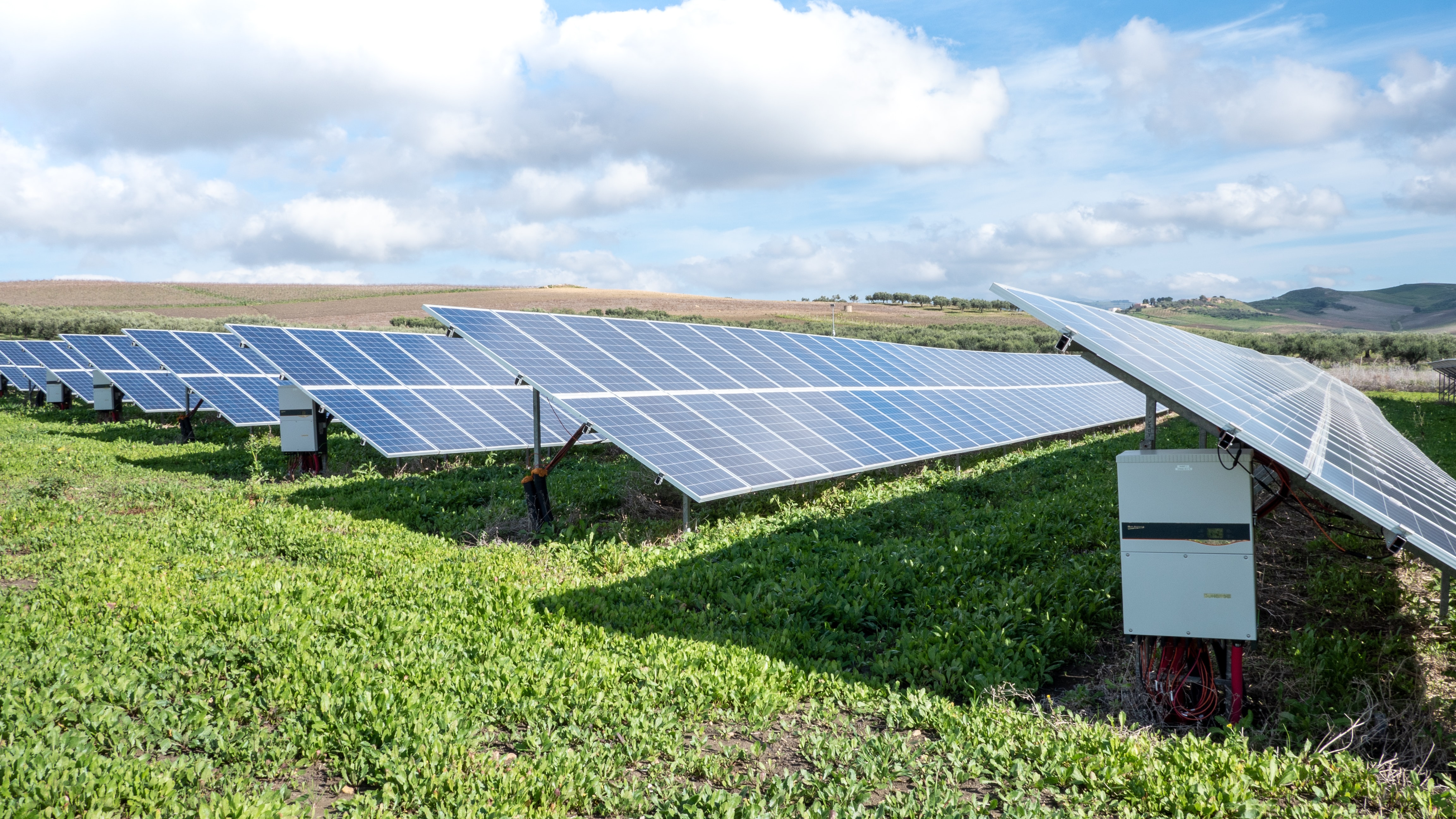
The centre aims for 50% of the country's total electric power capacity to come from non-fossil fuel sources by 2030. According to S&P Global Commodity Insights, with supportive government policies, India is on track to achieve substantial growth in clean energy technology, including aspirations for complete self-sufficiency in solar photovoltaic and wind energy by 2030.
"However, challenges such as technological innovation gaps, skilled labour shortages, inadequate infrastructure, and inconsistent policy enforcement may hinder progress toward these clean energy goals by 2030," it said.
To bolster local manufacturing, several policy initiatives have been implemented. These include tariffs on imported goods, such as basic customs duties and goods and services tax, along with the Approved List of Models and Manufacturers and the Revised List of Models & Manufacturers.
Additionally, direct incentives like the Production-Linked Incentive scheme are designed to enhance domestic production and foster innovation within the sector.
These favourable policies are expected to drive substantial growth in India's clean energy capacity by 2030, it said.
"Projections indicate that India will reach 107 gigawatts in PV modules, 20 GW in wind nacelles, 69 GWh in battery cells, and 8 gigawatts equivalent in electrolyzers. This growth will enable India to achieve full self-sufficiency in solar PV and wind and over 90% in battery cells,” said Indra Mukherjee of S&P Global Commodity Insights.
While the manufacturing capacity is growing, India still faces obstacles in achieving its ambitious renewable energy installation targets.
In the solar PV sector, India struggles to meet its polysilicon and wafer production goals, which hampers its competitiveness.
Similarly, India's wind turbine product mix requires alignment with global standards for export, and its nascent offshore wind sector will demand further investments.
(With Inputs From PTI.)
Essential Business Intelligence, Continuous LIVE TV, Sharp Market Insights, Practical Personal Finance Advice and Latest Stories — On NDTV Profit.