Indian equity markets are likely to remain volatile in the holiday-shortened week ahead, with the US Federal Reserve's interest-rate decision, domestic inflation data, crude oil prices and developments in West Asia emerging as the key factors influencing investor sentiment.
"Globally, developments in the US-Iran conflict and movement in Brent crude will remain critical market drivers. This week will be dominated by the US Federal Reserve's monetary policy decision and commentary on the future path of interest rates,"Ajit Mishra, senior vice president of research at Religare Broking, said.
Markets will remain closed on Monday for Ganesh Chaturthi, while the focus during the rest of the week will shift to major global and domestic economic developments.
Also Read | Layoffs Are Rising In Tech, But These Skills Are Helping People Unlock Better Pay
ALSO READ: IPO Bonanza: NSE, Hero Motors Among 11 Issues To Open For Subscription This Week
The US Federal Reserve's September 15-16 FOMC (Federal Open Market Committee) meeting is expected to be the biggest global trigger. Investors will closely track the rate decision and the Fed's commentary for signals on the future trajectory of monetary policy, Mishra added.
Recent US inflation data showed headline CPI rising 0.4 per cent month-on-month and remaining at 3.4 per cent annually. Core inflation increased 0.3 per cent from the previous month but eased to 2.4 per cent year-on-year. Analysts said the firmer monthly reading could keep inflation concerns elevated and influence global bond yields and the dollar, particularly if the Fed adopts a hawkish stance.
Tensions in West Asia and volatile Brent crude prices directly threaten India's economy; supply cuts risk driving up crude prices, aggravating inflation, depressing the rupee, and tightening corporate profits.
On the domestic front, investors will monitor August CPI and WPI inflation, followed by unemployment and balance-of-trade data. These indicators are expected to provide clues about the extent to which global commodity and geopolitical pressures are filtering into the Indian economy, according to Hariselvan Radhakrishnan, CEO of HST Wealth, a research analyst firm.
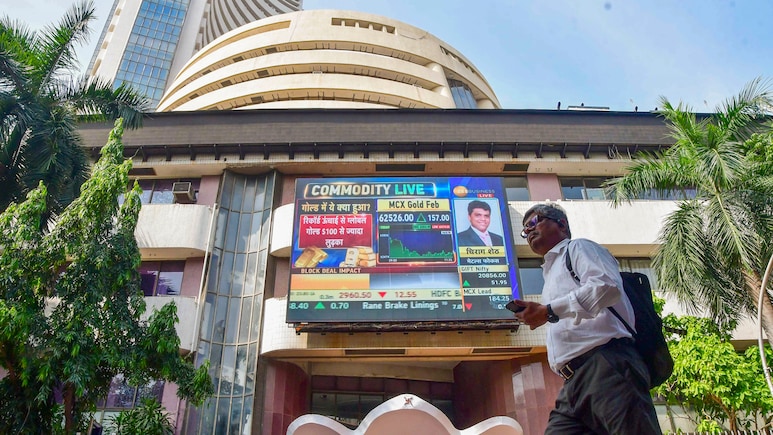
Last week, the Sensex fell 1,733.67 points, or 2.26 per cent, while the Nifty declined 499.6 points, or 2 per cent.
With crude prices, West Asia tensions and US monetary-policy expectations moving markets simultaneously, investors are likely to adopt a cautious approach in the coming sessions.
(With the PTI inputs)
Essential Business Intelligence, Sharp Market Insights, Practical Personal Finance Advice, Daily Fuel, Gold and Silver Prices and Latest Stories — On NDTV Profit.