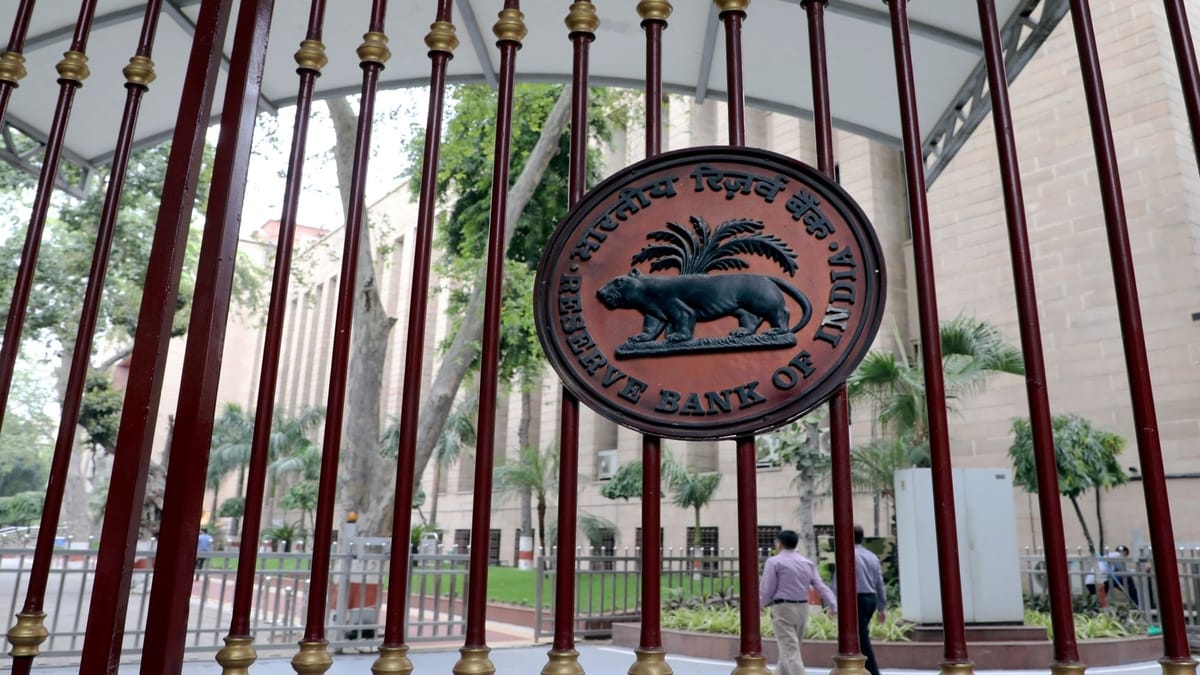
- The Reserve Bank of India proposed a revamp of External Commercial Borrowing framework
- Borrowing limits, as per the proposal, is to be linked to company's financial strength with market-driven rate
- The proposal permits acquisition financing for domestic banks, with safeguards against excessive leverage
The Reserve Bank of India (RBI) has proposed a revamp of its External Commercial Borrowing (ECB) framework to rationalise regulations, as per a statement on Friday.
Under the proposed framework, borrowing limits would be linked to a company's financial strength, while ECBs would be raised at market-determined interest rates. The RBI has also suggested simplifying end-use restrictions and minimum average maturity requirements to provide borrowers with more flexibility.
Another key change, as proposed by the framework, is the expansion of both the borrower and lender base eligible for ECB transactions, a move that is aimed at enhancing the flow of overseas credit to Indian entities. In addition, reporting requirements are proposed to be streamlined to reduce compliance burdens.
The bank has also opened the doors towards acquisition financing for domestic banks lending to Indian corporates. The move was preluded by a bevy of bankers seeking a free hand.
The regulatory easing on acquisition financing was likely owing to the intense competition posed by private credit players, according to a person with direct knowledge of the matter.
Lenders have been lobbying the central bank to ease up on leveraged buyouts as they were losing on a key demand of corporate clients. Competition posed by private credit was a major challenge for lenders. While private credit is a highly structured transaction, banks were seeking a level playing field from the regulator.
While foreign branches of domestic lenders could finance acquisitions abroad, they were not allowed to finance anything internally. Foreign banks too can fund such acquisitions.
The new norms would likely involve strong guardrails to avoid any excessive leverage in the system, the person quoted above said. Banks would be expected to follow internal lending and investment limits under the new norms.
Essential Business Intelligence, Continuous LIVE TV, Sharp Market Insights, Practical Personal Finance Advice and Latest Stories — On NDTV Profit.