How Rising Temperatures Are Taking A Toll On Mumbaikars And The Local Economy
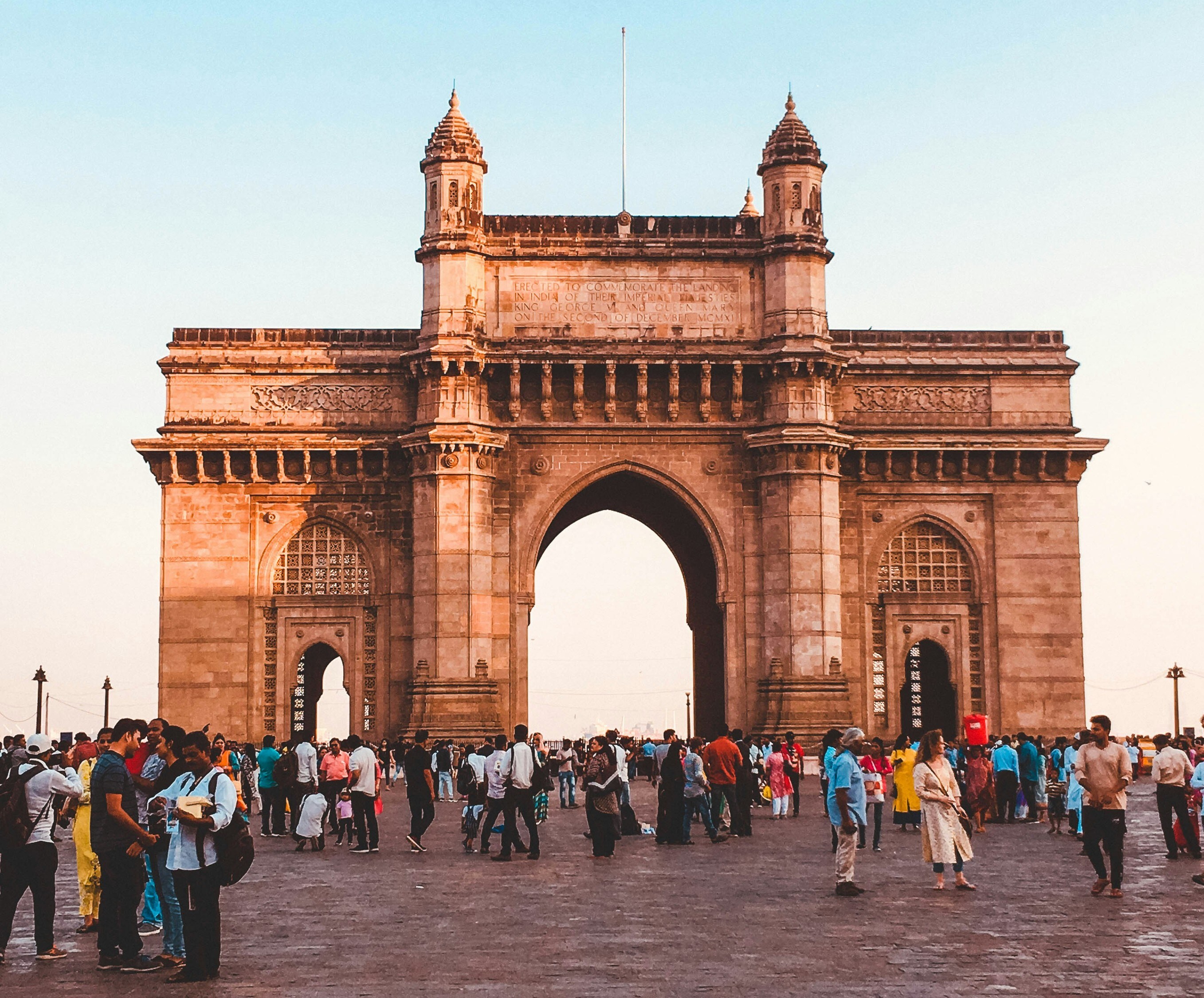
Higher temperatures and heatwaves have taken a toll on Manju, a domestic help servicing multiple households in Bandra, Mumbai. She leaves her home at about 9:30 a.m., after finishing her household chores and returns home by afternoon.
Enduring temperatures surpassing 30 degrees Celsius coupled with stifling humidity, her daily commute between residences has become arduous, often leaving her drained and incapable of sustaining her workload.
With her husband engaged in sporadic employment and two children dependent on her, the absence of cooling appliances like a cooler or air-conditioner at home further exacerbates their predicament. Manju endeavors to keep her family hydrated and resorts to cool showers to mitigate the sweltering conditions. Yet, amidst the backdrop of escalating temperatures and intense heatwaves sweeping the nation, Manju's plight resonates widely.
At NDTV Profit, we embarked on a dipstick survey to ascertain the broader repercussions of such weather patterns, even on salaried employees. Here are the key insights gleaned:
Here are the key findings:
A majority of respondents reported a noticeable shift in climate since their arrival in Mumbai.
While the professional lives of respondents remained largely unaffected, approximately half indicated experiencing adverse impacts on their health or financial stability.
Health-related grievances included heightened susceptibility to colds, dehydration, and migraines.
The reluctance to utilize public transportation prompted many to opt for pricier cab rides, consequently inflating commuting costs.
Moreover, increased reliance on air-conditioning translated into elevated electricity bills.
Rising temperatures, depleting natural green cover, and volatile rainfall are causing severe losses to the city's economy and its people.
Climate Risks: Heat, Flooding, Landslides And Coastal Risks
Mumbai, like many other parts of the country, is witnessing higher temperature, with humidity levels aggravating heat stress. According to the Mumbai Climate Action Plan, the monsoons that follow are also a hindrance to those living in low-lying areas, with poor storm water drainage. Landslide prone areas, too, experience heavy loss and damages.
Low-income communities living in informal settlements, residing in weak structures, with poor access to services, or in areas with poor vegetation or lack of open spaces remain more exposed or sensitive to risks. They are also at a higher risk of indoor heat exposure. For instance, a ward-level analysis of heat exposure indicates that 40% of the population residing in Mumbai's eastern suburbs are exposed to heat stress as opposed to 0.9% of those in the south.
In higher density, informal settlements, with very low vegetation cover, temperatures were observed to be 6–8 degrees warmer than in the neighbouring residential areas.
This can be understood as a function of the high-density morphology of built form, choice of roofing material—which is majorly metal or asbestos—and very low vegetation cover, explained the report.
Industrial and commercial land uses, with large built-up footprints—such as the airport, industrial estates and malls—have a significantly higher surface temperature as well, it added. Exposure to coastal flooding, the number of high heat days and heavy rainfall events are all projected to see a gradual rise over the years.
Along with climate-induced risks, the increasing air pollution caused by traffic congestion, unregulated construction activities and mismanaged solid waste adds to the city's risk exposure, leaving vulnerable communities more exposed to adverse health impacts, the report explained.
Making Mumbai Climate Resilient
Mumbai's greenhouse gas emissions inventory includes three GHGs—carbon dioxide, methane, and nitrous oxide. The GHG emissions inventory points to three key sectors—the stationary energy sector is responsible for 16.9 million tonne of CO2, which is 72% of Mumbai's total emissions; followed by the transportation sector at 4.6 million tonne of CO2, which is 20% of the city's total emissions; and the waste sector at 1.9 million tonne of CO2, which is 8% of the city's total emissions.
The Mumbai Climate Action Plan involves six priority strategies, where adaptation and mitigation actions can be developed—sustainable waste management, urban greening and biodiversity, urban flooding and water resource management, energy and buildings, air quality and sustainable mobility.
If no action is taken, the emissions are expected to reach 64.8 million tonne of CO2 per year by 2050 in Mumbai, increasing 2.7 times between 2019 and 2050. This is slightly higher than the India-level trajectory of 2.5 times if no measures are taken.

-
'Never Seen This Level Of Negativity': Sandeep Tandon Says The Next Rally May Be Closer Than You Think

Veteran investor Sandeep Tandon says foreign selling is easing, large-caps are due a comeback and mid-caps are crowded, while he turns positive on gold, power and pharma this Diwali.
-
Indians Stay With Family, Not In Hotels | The Reason Why
India still lacks enough clean, reliable and affordable hotels for budget-conscious travellers.
-
The Economic Imperative: Analysing The Material Driving Force Behind India-Canada Strategic Reset
This economic complementarity is further reinforced by deep institutional investment ties and talent mobility, which form the bedrock of the bilateral framework.
-
Medicine Pricing: Where Must Profit Stop?
India must confront excessive margins, hidden incentives and regulatory gaps that threaten the integrity of medicine.
-
Why Amazon And Flipkart Are Struggling To Beat Meesho In India's Smaller Cities
With 274 million users and lowest-cost logistics, Meesho is defending its value commerce crown against giants like Amazon and Flipkart.
-
High US Salaries, No Green Card Certainty: The Financial Calculation Facing Indian H-1B Families
The suspension of PERM processing at eight technology employers does not cancel existing H-1B visas. What it does is force a question many Indian families have been avoiding: is the US salary worth tying your career and family plans to one employer?
-
Swiggy vs Eternal: Food Delivery's Two Rivals Are No Longer In The Same Race
Eternal is building a private AI assistant, dark.ai. Swiggy is still working out how to make Instamart pay, with an operating loss of Rs 895 crore in the July-September quarter while Blinkit stayed profitable.
-
Where You Live Shapes How You Get To Work | The Reason Why
Two-wheelers are the most popular way to get to work in India, accounting for nearly 43% of workplace commutes.
-
Unhedged Position: Can India See An Indonesia-Style Time Correction?
The Nifty is trading below levels it first clocked in 2024. Is there, then, as I have suggested in the headline, potential that the current time correction drags on painfully for the next three-five, even ten years?
-
Navigating Friction And Energy Realities: An Analysis Of Marco Rubio's October Visit To India
Occurring at a critical juncture marked by stalled trade negotiations and escalating geopolitical pressures over global energy supplies, the visit offers a profound window into modern US-India relations.










