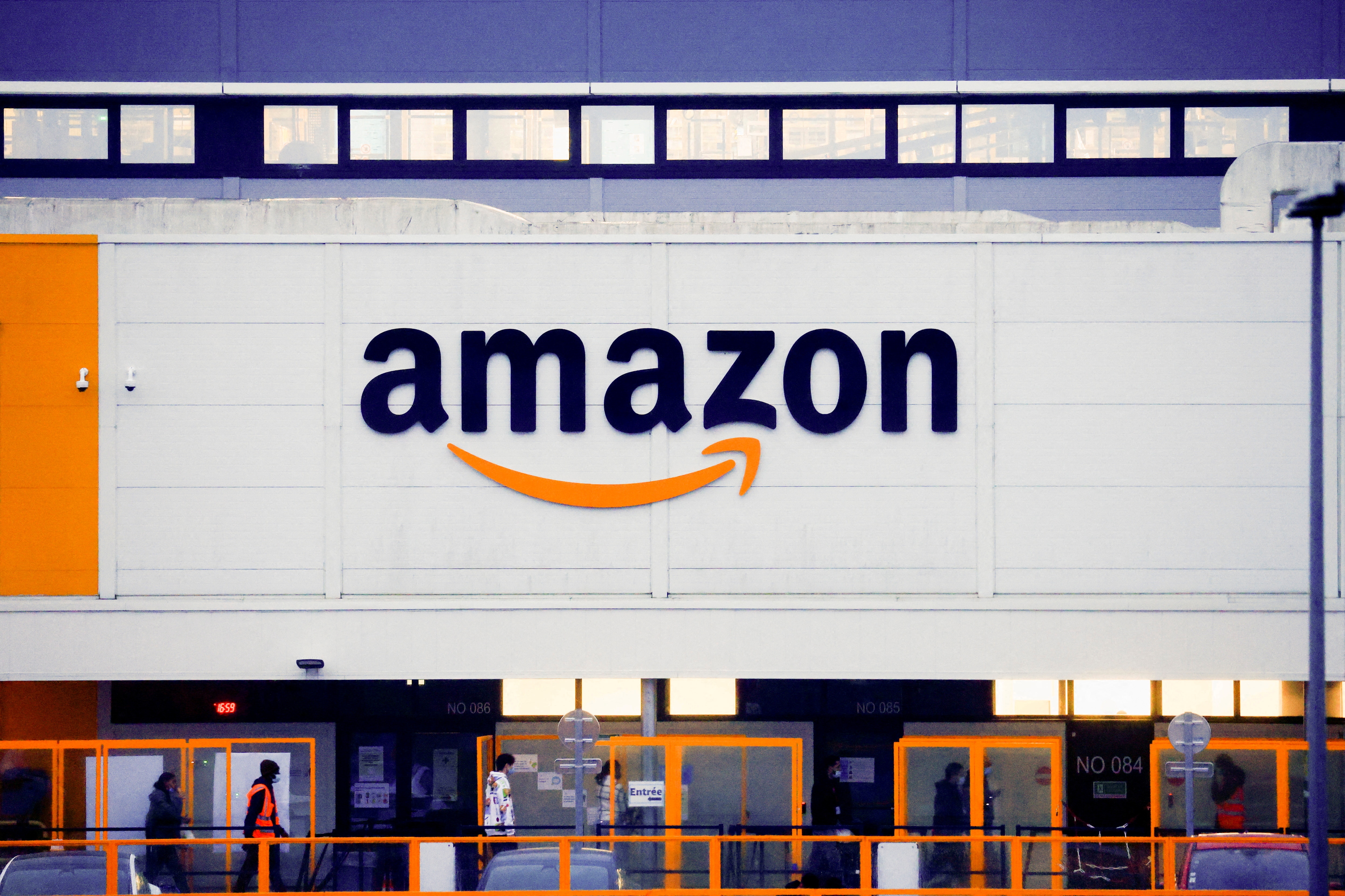
Ten years on, India is one of Amazon.com Inc.'s fastest-growing and biggest markets with a large ‘Prime' customer base, according to Bernstein. But is that a success?
This “growth has come at a high cost of over $6.5 billion invested to-date, while profitability remains elusive”, the research house said in a note dated Aug. 30. The Jeff Bezos-founded e-commerce platform also “faces immense competitive pressure in fast-growing categories, weaker value proposition in ‘new' commerce, limited traction in tier-II, III cities, and an unfavourable regulatory environment for outsiders”.
According to Bernstein, India is one of few large and under-penetrated e-commerce markets but Amazon has faced challenges due to its “fragmented competitive landscape”.
“While India is a three-player market—Amazon, Walmart/Flipkart, and Reliance's JioMart—the market remains quite fragmented with meaningful market differences by market tier, product category, and distribution models.”
Amazon, it said, leads in core categories such as consumer electronics and has done quite well in tier-I cities with around 50 lakh Prime subscribers. “India, however, still has a low average order value at only around $10 (Rs 790). Besides growth-related investments, profitability has been impacted by a higher mix of low-margin product categories (for instance, smartphones with sub-5% net margins).”
Amazon, Bernstein said, “has struggled to scale volumes in higher margin categories such as fashion and beauty, while the inability to operate a first-party model has limited the availability of private labels versus competition which further pressures margins. Amazon's management attrition has also increased recently, potentially signaling difficulties achieving desired scale”.
Competitors such as Reliance Retail lead in grocery and online-to-offline categories, while Flipkart has maintained leadership in apparel category by being twice the size of the nearest competition. “But newer players like the Softbank-funded Meesho are winning the faster growing tier-II, III cities where Amazon has struggled to gain traction given low pricing and ‘zero commissions'.”
Also, the regulations in India limit Amazon to operating via a third-party seller model. “Regulations don't allow for an inventory led/first-party model for a foreign entity like Amazon. The company has made investments into Shoppers Stop (fashion), More (grocery), and rumored stake in Ecom Express (logistics) but integration has been limited as the regulations don't allow for full control.”
Essential Business Intelligence, Continuous LIVE TV, Sharp Market Insights, Practical Personal Finance Advice and Latest Stories — On NDTV Profit.